+255 713 334 154 info@honeymoonexplorers.com Arusha, Tanzania Mon-Sun · 8am-8pm EAT
WhatsApp Us
Best Time for a Tanzania Honeymoon - Season by Season Guide
Home Articles Best Time for Tanzania Honeymoon
Honeymoon Guide Season Planning Tanzania + Zanzibar Expert Advice

Best Time for a Tanzania Honeymoon
Season by Season

Tanzania is a year-round destination - but the season shapes everything: the wildlife you see, the beaches you swim from, the light in your photographs, and the feeling of the whole journey. This guide tells you honestly what each month offers, and what it does not.
Read Time10-12 Minutes
CoversTanzania + Zanzibar
Seasons CoveredAll 12 Months
IncludesMigration Calendar
Also CoversZanzibar Beach Seasons
Written ByHoneymoon Explorers Team
Scroll to Explore
Why Timing Your Tanzania Honeymoon Matters

People ask us constantly: when is the best time to go to Tanzania for a honeymoon? The honest answer is that it depends - not on a single rule, but on what you want the journey to feel like. Tanzania is one of the very few destinations in the world that is genuinely extraordinary in every month of the year. But the character of the experience shifts significantly with the season, and understanding that shift is the difference between a good honeymoon and an exceptional one.

The dry season from June to October is the classic choice - sharp game viewing, reliable skies, crisp mornings on the plains. The green season from November to May is softer, more dramatic photographically, and often profoundly romantic in ways the dry season cannot replicate. Zanzibar's beach conditions follow their own wind and tide pattern, which is separate from the mainland safari calendar. And the Great Migration - one of the most famous wildlife events on earth - follows a roughly predictable annual circuit that, if you know where to be and when, you can intercept at its most extraordinary moments.

This guide walks through every season honestly. We tell you what is wonderful about each period, what the trade-offs are, and what kind of couple each month suits best. Use it to understand the landscape, then talk to us - because the final planning always comes down to your specific wedding date, your budget, your appetite for adventure, and the feeling you want to carry home.

Tanzania Honeymoon Seasons - Quick Reference

Here is the clearest overview of what each period offers - a starting point before we go into detail below.

June - October - The Golden Dry Season. Peak game viewing, clear skies, cool mornings. The Migration is in the north (July-October). Best for couples who prioritise wildlife drama, balloon safaris, photography, and the iconic Serengeti experience. Highest demand and prices. Book 4-6 months ahead.
January - February - The Short Dry Window. A warm, sunny pause within the green season. Calving season on the southern Serengeti plains - one of the most dramatic wildlife events of the year. Zanzibar beaches are stunning. Fewer visitors than peak season. Excellent value and strong experiences.
November - December - The Short Rains. Brief afternoon showers that rarely disrupt full days. The landscape turns vivid green almost overnight. Excellent bird life, newborn animals, and a lush painterly quality to the Serengeti. Quieter camps, better rates. Romantic and private.
March - May - The Long Rains. Tanzania's wettest period. Some lodges close; roads can be challenging. But for couples who embrace the rain, this is the most lush, atmospheric, affordable, and private period of the year. The Serengeti empties of visitors and fills with life.
June to October - The Golden Dry Season

This is Tanzania at its most visually arresting. The long dry season strips the grass low, concentrates wildlife around water sources, and delivers safari conditions that exist almost nowhere else on earth with such consistency. The sky is a deep, unbroken blue. The light at dawn and dusk is extraordinary - warm gold that makes every photograph look considered. The air is cool enough in the early morning to want a layer, and warm by midday. This is the season that gives Tanzania its reputation.

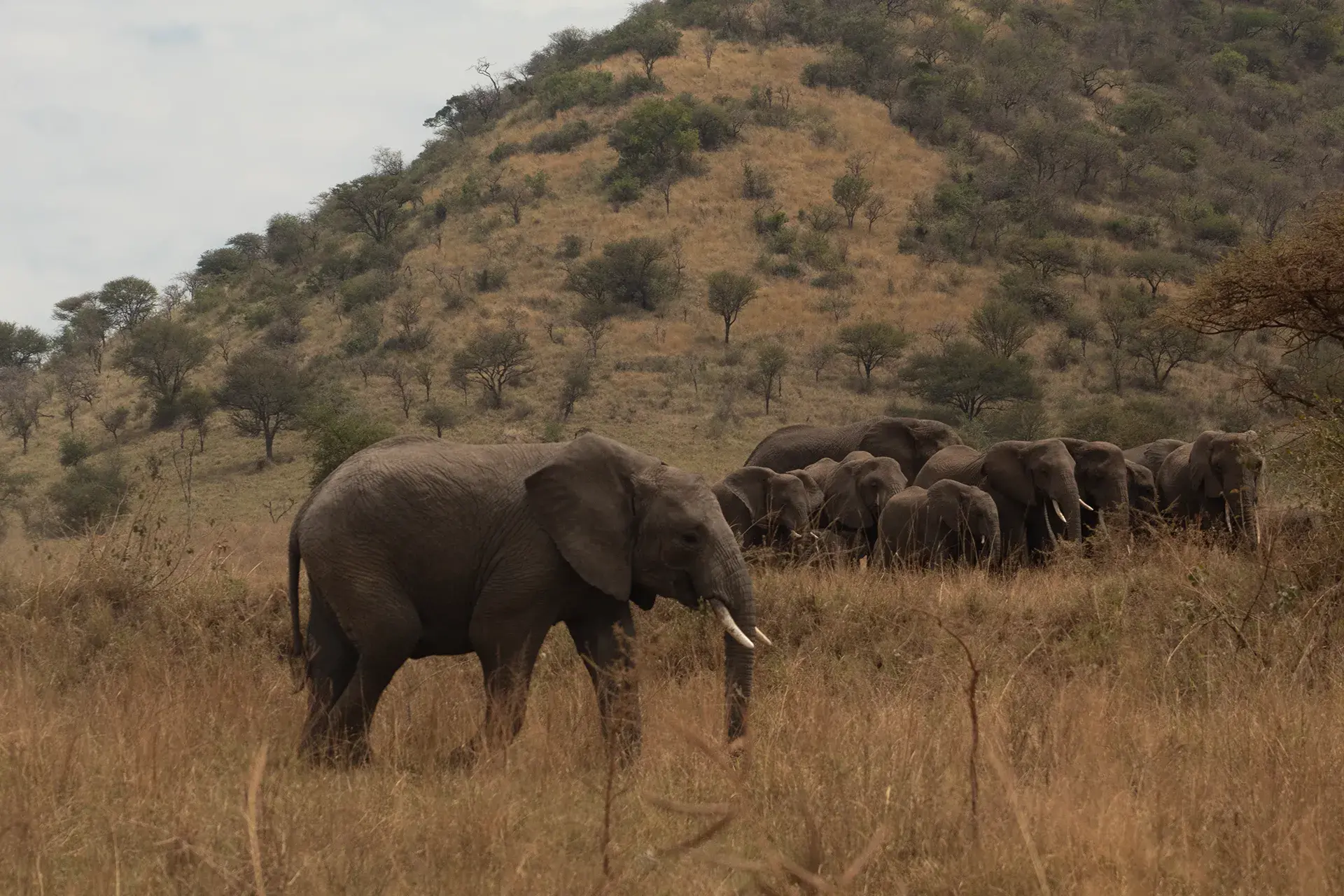
Game Viewing at its Finest. Low grass and reliable water sources mean animals congregate predictably. Lions are easier to locate; leopards in the Seronera Valley appear regularly. Elephant herds move to permanent rivers. Cheetah cubs born in the green season are now visible and active. The predator-prey dynamics are at their most visible and dramatic.
The Mara River Crossings - July to October. The most dramatic chapter of the Great Migration. Hundreds of thousands of wildebeest and zebra push north and must cross the crocodile-filled Mara River. Crossings happen unpredictably - sometimes three in a day, sometimes none for several days. But when they happen, they are a spectacle of raw, overwhelming scale unlike anything else in the natural world.
Balloon Safaris at their Most Reliable. Calm, dry mornings make June through October the most consistent period for hot air balloon flights over the Serengeti. Clear skies and low wind mean fewer cancellations, better visibility, and the golden-hour light that produces the most beautiful aerial photographs.
Zanzibar in the Dry Season. The kusi trade winds blow from the south from June to September, bringing cooler, breezier conditions and some swell to the east coast. The north and west coasts remain calm and swimmable. Sea temperatures are warm year-round. The beach chapter of the honeymoon is still wonderful - just choose the right coast for the wind direction.
The Trade-Off. Peak season means higher camp and lodge rates and higher demand for the very best accommodation. Popular Serengeti camps can be fully booked 6-8 months in advance. It is not a crowded experience - Tanzania's parks are vast - but the planning timeline is less forgiving. Couples planning for this window should move early.
Best For. Couples who prioritise wildlife drama above all else. Those who have always dreamed of the Migration crossings. Honeymooners who want iconic photographs. Couples celebrating a milestone and want the most reliably spectacular version of the safari experience.
January & February - The Calving Season & Warmest Zanzibar

January and February are among the most underrated months for a Tanzania honeymoon - and among the most genuinely moving from a wildlife perspective. The Great Migration has completed its southern push, and the vast herds now cover the Ndutu and southern Serengeti plains. This is calving season: approximately 500,000 wildebeest calves are born in a compressed window of six to eight weeks, and the plains fill with newborns, exhausted mothers, and the predators that follow them.

Watching a wildebeest calf take its first steps - and stand within minutes, already testing its legs - is one of the most quietly astonishing wildlife experiences Tanzania offers. The predator density during calving is exceptional: cheetahs, lions, wild dogs, hyenas, and jackals all exploit the abundance. It is nature at its most honest, and it is something very few honeymooners witness because most people follow the conventional wisdom of the dry season.

The Short Dry Window. January and February fall between the short and long rains, delivering a warm, largely sunny period with reliable game viewing and comfortable safari conditions. It is not as crisp or clear as the classic dry season, but the wildlife quality - particularly in the south - is extraordinary.
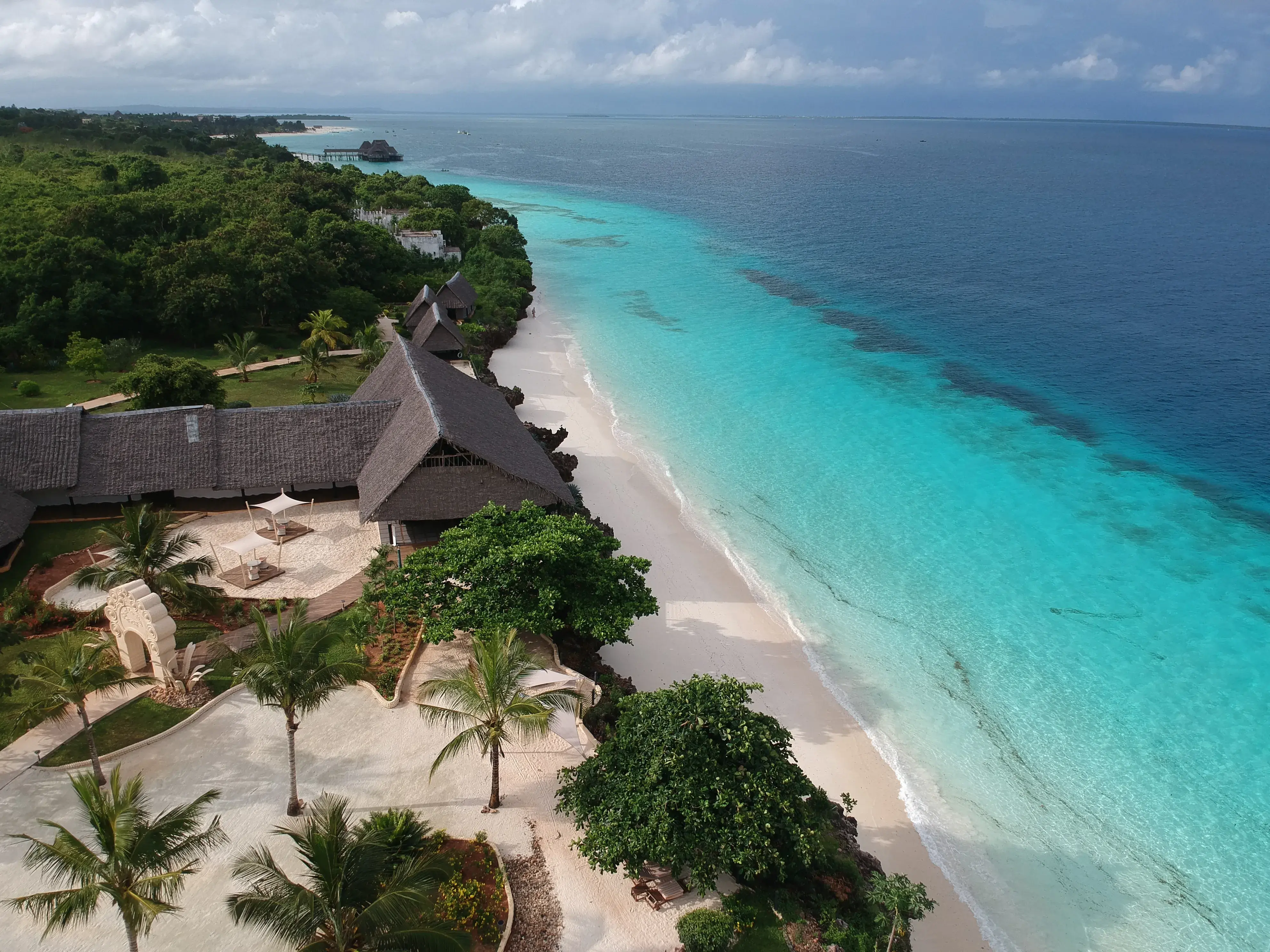
Zanzibar at its Warmest and Calmest. The kaskazi north wind brings calm seas, warm water, and the island's most settled beach conditions. This is the best period for snorkelling Mnemba Atoll, swimming off Nungwi, and enjoying long, unhurried days on white sand. The Indian Ocean is at its most inviting.
Fewer Visitors. Despite the quality of the experience, January and February see significantly fewer visitors than the July-October peak. Camps are quieter, the Serengeti feels more private, and the intimacy of the experience - just you and the landscape - is much easier to find. For honeymooners who value privacy, this matters enormously.
Best For. Couples who want an extraordinary wildlife experience without peak-season crowds and prices. Honeymooners with a mid-winter wedding date who want warmth and sunshine. Those who are moved by birth and new life rather than predator drama. Couples combining the Ndutu calving with a warm Zanzibar beach stay.
November & December - The Short Rains & Lush Serengeti

November and December carry a particular kind of beauty. The short rains arrive and the Serengeti transforms within days - the dry ochre of October giving way to a vivid, almost impossibly green landscape that photographers love and first-time visitors find genuinely surprising. The light during this period has a dramatic, painterly quality: heavy skies, golden breaks, and the low angle of the southern-hemisphere sun create conditions that make every photograph look like it was composed rather than captured.

The rains themselves are often brief - afternoon showers that clear before evening, leaving the air cool and clean for sundowners. Full travel days are rarely disrupted. And the green season brings wildlife that the dry season cannot: hundreds of species of migratory birds arrive from the north, newborn animals appear across the plains, and the ecosystem hums with a productivity that the dry months quietly obscure.

Extraordinary Bird Life. November marks the arrival of European and Asian migratory bird species to Tanzania - swallows, storks, raptors, and waders among hundreds of others. For couples who appreciate birds, the green season is genuinely unmatched. Even for those who do not consider themselves birders, the visual abundance of the short-rains period is something altogether different from the dry season.
The Most Beautiful Photographs. The combination of green landscapes, dramatic skies, golden light, and young animals makes November and December the favourite months of many professional wildlife photographers who work in Tanzania. The visual quality of images taken in this period - particularly at dawn and dusk - has a warmth and complexity that the clear-sky dry season cannot fully replicate.
Better Rates, More Privacy. The short rains mark a significant drop in visitor numbers and a corresponding softening of accommodation rates at most camps and lodges. Exclusive properties that are fully booked months in advance in July are often available on short notice in November. The Serengeti can feel genuinely empty - which, for a honeymoon, is close to ideal.
December - A Special Case. The final weeks of December see a spike in demand as European and North American travellers seek a warm-weather festive escape. The very best properties can fill quickly during the Christmas and New Year period. If December is your wedding month, plan 4-5 months ahead rather than leaving it to chance.
Best For. Couples with a late autumn or early winter wedding. Photography-minded honeymooners. Those who value privacy and atmospheric beauty over peak-season wildlife density. Couples who want the Serengeti to themselves and appreciate the romance of a dramatic sky.
March, April & May - The Long Rains: Honest Advice

We will be direct: March, April, and May are Tanzania's wettest months, and we do not recommend them for every couple. Some roads become impassable. Certain camps and lodges close entirely for the season. The classic Serengeti game drive can involve long waits in heavy rain and limited visibility. If you need the safari experience to be reliably easy and comfortable, this is not your window.

But here is what the long rains genuinely offer - and it is considerable. The Serengeti is more lush than at any other time of year. The waterfalls running off the Ngorongoro highlands are extraordinary. The camps that do stay open are almost completely empty, and the rates reflect it. Some of the most exclusive properties in Tanzania offer their lowest prices of the year in April and May, and the privacy - the genuine, profound solitude of a national park with almost no other visitors - is something money cannot buy in June or July.

Zanzibar, however, is a different story. The long rains hit the island more consistently and can bring several days of continuous rain rather than the brief afternoon showers of the mainland. Beach honeymoons in April and May carry real weather risk and are generally not recommended unless the couple has a genuine tolerance for uncertainty and significant travel flexibility.

What Works Well. Luxury inland lodges with strong infrastructure remain excellent during the long rains. The Ngorongoro Crater - enclosed and always game-rich - offers some of its most atmospheric wildlife viewing in April, as mist drifts across the crater floor at dawn. The southern circuit (Ruaha, Selous) is often accessible and strikingly beautiful. Private photography in an empty Serengeti is a genuinely rare experience.
What Needs Careful Planning. Some Serengeti camps and certain tracks become inaccessible in heavy rain. The Mara River zone and northern Serengeti roads can be badly affected. Balloon safari operations may pause during sustained wet periods. We are transparent about these limitations and always advise on which specific properties and routes remain strong in this period.
Best For. Adventurous couples who are genuinely comfortable with unpredictability. Budget-conscious honeymooners who want to access exceptional properties at their lowest prices. Photographers and nature lovers who value atmosphere over comfort. Couples who want to experience the Serengeti in absolute solitude. Not recommended for couples whose wedding date cannot be changed and who need guaranteed conditions.
The Great Migration - Month by Month

The Great Migration is not an event - it is a continuous circular movement of approximately 1.5 million wildebeest and 300,000 zebra around the Serengeti-Mara ecosystem, driven entirely by rainfall and grass. Understanding where the herds are each month helps you decide whether to build the migration into your honeymoon - and which chapter of the story you want to witness.

December - March: Southern Serengeti & Ndutu. The calving season. The vast herds cover the short-grass plains of the southern Serengeti and the Ndutu region in Tanzania's south. This is birth, abundance, and predator drama in equal measure. The most emotional chapter of the migration - and the one fewest honeymooners think to witness.
April - May: The Long Rains March North. As the rains arrive, the herds begin their northward movement through the central Serengeti. This is a transitional period - the migration is moving but not yet concentrated. The landscape is stunning but weather is unpredictable. Some columns can be found; a specific sighting is not guaranteed.
June - July: Central Serengeti & the Grumeti River. The herds reach the Grumeti River in the western corridor, where enormous Nile crocodiles await. These river crossings are less famous than the Mara but equally dramatic in their own right. June is an excellent month for being in the right place before the peak-season crowd follows the migration north.
July - October: Northern Serengeti & the Mara River. The most famous chapter. The herds push into the northern Serengeti and across the Mara River - a crossing of extraordinary violence and scale. Crocodiles, lions, and the sheer mass of animals make this the most cinematic wildlife spectacle on earth. The experience of watching a crossing is genuinely overwhelming.
October - November: The Return South. The herds begin moving south again as the short rains approach, flowing back through the central and eastern Serengeti. This is a less-documented chapter of the migration but the movement itself - thousands of animals moving in long columns through golden-green grass - is beautiful in a quieter, more contemplative way.
Important Caveat. The migration is driven by rainfall, which is never perfectly predictable. In some years the herds arrive at the Mara River as early as late June; in others they may not cross consistently until August. We stay current on actual herd movements through our local contacts and adjust itinerary recommendations accordingly. We never promise a crossing - only that we will give you the best possible chance of witnessing one.
Zanzibar Beach Seasons - Choosing the Right Coast

Zanzibar operates on its own seasonal logic, separate from the mainland safari calendar but equally important to understand. The island has two monsoon winds that define beach conditions - the kaskazi (north wind, October to March) and the kusi (south wind, June to September) - and the best coast to stay on depends entirely on which wind is blowing.

The good news is that at no time of year is the whole island unusable. The key is knowing which coast to choose for your month, and which activities - snorkelling, diving, dhow sailing, open-water swimming - are best suited to the current conditions. We advise on this specifically for every couple's travel dates.

October - March: The Kaskazi North Wind. The north wind brings the warmest water temperatures and the calmest conditions to Zanzibar's north and east coasts. Nungwi and Kendwa are at their most beautiful - warm, calm, swimmable from morning to evening. Mnemba Atoll conditions for snorkelling and diving are excellent. This overlaps with the warmest and most settled beach season of the year.
June - September: The Kusi South Wind. The south wind brings cooler, breezier conditions and some swell to the east and southeast coasts. The north coast - Nungwi and Kendwa - remains largely sheltered and is the go-to for dry-season safari-beach combinations. The west coast sunsets are magnificent year-round, wind or no wind.
Snorkelling and Diving. Mnemba Atoll - one of the Indian Ocean's premier dive and snorkel sites - is at its clearest and most accessible from October to February, when visibility can exceed 30 metres. The whale shark season off the Tanzanian coast runs roughly from October to March. Humpback whales pass through the Zanzibar Channel from June to September.
Dhow Cruises. The traditional sunset dhow cruise - one of Zanzibar's most romantic experiences - operates year-round on the west coast, where conditions are almost always calm enough for sailing. The quality of the sunset from a moving dhow over the Indian Ocean does not vary by season. It is consistently extraordinary.
April - May: The Zanzibar Long Rains. Unlike the mainland, where the long rains often produce short afternoon showers, Zanzibar can experience sustained multi-day rain periods in April and May. Beach plans can be genuinely disrupted. We do not recommend planning a beach-focused honeymoon during this window without significant flexibility built in.
Month-by-Month Honeymoon Reference

A concise reference guide for every month of the year - what works, what to be aware of, and the overall character of each period for honeymooners.

January. Calving season in the south. Warm Zanzibar. Fewer visitors. Excellent predator activity. One of our favourite months for couples who want something genuinely moving. Rating: Excellent.
February. The calving season continues. Southern Serengeti at its most wildlife-rich. Zanzibar calm and warm. The joint best month of the year alongside July. Rating: Excellent.
March. The long rains begin. The landscape turns vivid green. Wildlife quality remains high on the plains. Beach risk increases. Good for adventurous couples willing to embrace variability. Rating: Good with caveats.
April. Peak of the long rains on both mainland and Zanzibar. Some lodges close. Roads can be difficult. Extraordinary atmosphere and absolute privacy for the right couple. Rating: Specialist only.
May. Rains begin to ease toward month-end. The landscape is lush and dramatic. The Serengeti is almost entirely empty. Rates at their lowest. Transition month with improving conditions. Rating: Specialist / Budget-conscious.
June. The dry season begins. Excellent game viewing. The migration moves north through the central Serengeti and approaches the Grumeti River. Shoulder pricing before peak-season rates kick in. Rating: Excellent - and underused.
July. Peak dry season. First major Mara River crossings. Exceptional game viewing across all regions. The Serengeti's most dramatic chapter. Book 5-6 months ahead. Rating: Outstanding.
August. The Migration crossings continue at peak frequency. Highest demand of the year. The classic Tanzania safari honeymoon month. Plan very early. Rating: Outstanding - busiest month.
September. Crossings continue. Slightly fewer visitors than August. Excellent all-round conditions. One of the best months for couples who want peak-season quality with marginally more breathing room. Rating: Outstanding.
October. The herds begin moving south. Game viewing shifts from the north back toward the central Serengeti. Still strong wildlife. Zanzibar beach season improves significantly. Rates begin to soften. Rating: Very Good.
November. Short rains arrive - brief afternoon showers, not sustained rain. The landscape transforms to green almost immediately. Beautiful light, excellent birds, young animals, more privacy. Rating: Very Good - underrated.
December. Green season in full effect. Lush, beautiful, warm. Christmas and New Year brings a spike in demand at the best properties - book early for these specific dates. Otherwise quieter and excellent. Rating: Very Good - festive dates need early booking.
How to Shape the Route Around Your Season

Choosing the right season is only the beginning. The next decision is how to structure the journey - which parks, in what order, for how many nights, and how to connect the safari with the beach chapter so the whole trip feels coherent and emotionally satisfying rather than logistically fragmented.

Start With the Emotional Centre. Ask yourselves: what is the one thing this honeymoon must contain? If the answer is "a Mara River crossing," the route is largely decided - northern Serengeti, July to October. If it is "absolute beach privacy," Mnemba or Pemba becomes the anchor and the safari wraps around it. Begin with the non-negotiable and build from there.
Protect the Beach Nights. A common planning mistake is giving the safari more nights than it needs and arriving at the beach exhausted with too little time to actually unwind. Four nights minimum on the coast allows for proper rest, a dhow cruise, a snorkelling trip, a spa day, and a final unhurried evening. Fewer than three beach nights often feels insufficient.
Arrive Comfortably. A long-haul flight followed immediately by a long road transfer and a first-night safari camp can be disorienting. Beginning with a single comfortable night in Arusha - or a full travel day built into the start - allows you to arrive at the first safari property rested and ready. The Serengeti rewards presence.
Use Domestic Flights Wisely. Tanzania's park system is spread across a large country, and road transfers between some parks and the coast can take many hours. Domestic flights - between the Serengeti and Zanzibar, or between Ruaha and Dar es Salaam - protect time and energy for the right moments. We advise on which transfers are worth flying and which road journeys are part of the experience.
Leave Space for Nothing. The best honeymoon itineraries have one or two blocks that are genuinely unscheduled - a morning to sleep in, an afternoon to swim without purpose, an evening to watch the light fade without having to be anywhere. This is not wasted time. It is where the honeymoon actually happens.
Avoid Too Many One-Night Stays. Arriving at a safari camp in the late afternoon, waking for an early game drive, and departing before lunch is not enough time to feel the character of a place. Two nights minimum allows you to settle in; three nights allows the camp to feel like yours. One-night stops have their place in the itinerary - usually at transfer points - but should not be the norm.
Accommodation - Matching the Property to the Season

Tanzania's accommodation ranges from simple tented camps to some of the most extraordinary properties on earth. The right choice is not always the most expensive - it is the one that matches the season, the route, and the emotional tone of the honeymoon. A basic camp in the right location in the right season will outperform a luxury lodge in the wrong one.

Classic tented safari camps - intimacy in the wilderness Crater rim lodges - drama and altitude Private villa stays - total seclusion Boutique beach resorts - design and Indian Ocean Private island properties - Mnemba, Pemba Forest lodges - Mahale, Gombe, Rubondo Dhow charters - mobile Indian Ocean Zanzibar heritage hotels - Stone Town character

Our approach is to match accommodation quality to the nights where the setting matters most. A luxury tented camp in the Serengeti earns its price on four nights; a simpler camp on a transfer night is entirely appropriate. We never recommend the most expensive option by default - only the right one for your specific route and priorities.

Romantic Planning - Making Any Season Feel Special

The season sets the stage. The planning creates the moments. Here are the most important romantic considerations regardless of when you travel - the things that transform a beautiful trip into an unforgettable honeymoon.

Tell your planner everything early. Anniversary dates, dietary restrictions, room preferences, surprise requests, proposal plans, mobility considerations - the earlier we know, the better we can coordinate. A surprise champagne setup or a proposal in a balloon is something we can make perfect when we have weeks to plan, and something that becomes very difficult at forty-eight hours' notice.
Use private dining as a highlight, not a habit. A private candlelit dinner on the beach or in the bush is one of the most romantic experiences Tanzania offers. It is most powerful when it is occasional and well-timed - on the first beach night, or the last safari evening - rather than every night, when it can become logistically tiring rather than magical.
Balance grand experiences with quiet ones. A balloon safari is overwhelming. A Mara River crossing is overwhelming. A couples massage in an open-air spa overlooking the ocean is restorative. The best honeymoon itineraries alternate between elevated intensity and deep rest, so the high points land with their full emotional weight rather than blurring into one another.
Ask for honest advice on drive times. A two-hour road transfer on paper can become four hours on a rough track. We are transparent about the actual time each connection takes and will always recommend a flight when the road option genuinely costs you energy rather than giving you scenery.
Plan arrival and departure comfort deliberately. The first night after a fourteen-hour flight should be comfortable and unchallenging. The last night before a long journey home should be somewhere warm, easy, and kind. The bookends of the trip deserve the same care as the centrepieces.
Invest in a moment of total privacy. Whether that is a private game vehicle, a secluded beach stretch, a room with no neighbours, or a dhow with just the two of you and the Indian Ocean - one moment of complete solitude is worth more than ten shared experiences for a honeymoon. We build it in regardless of season.
Ready to Plan Your Tanzania Honeymoon?

Tell us your wedding month or likely travel dates, the number of nights you are thinking about, and what matters most - wildlife, beach weather, privacy, value, or a specific experience like the Migration crossings or the calving season. We will respond with honest, specific advice for your window and a tailored honeymoon proposal that reflects your priorities rather than a standard package.

Every conversation starts with listening. The proposal comes after we understand you.

Haven Trails Adventures

Best Time for a Tanzania HoneymoonSeasons for safari light, migration drama, and Zanzibar beaches

Timing shapes the feeling of the honeymoon: dry-season clarity, green-season privacy, warm seas, dramatic skies, migration movement, and lodge availability.

There is no single best month for every couple. The best time depends on whether you value wildlife density, beach calm, privacy, price, photography light, migration drama, or a specific celebration date.

01

June to October for classic dry-season safari

02

January to March for calving season and warm beach days

03

November and early December for softer crowds

04

April and May for green privacy with careful lodge checks

05

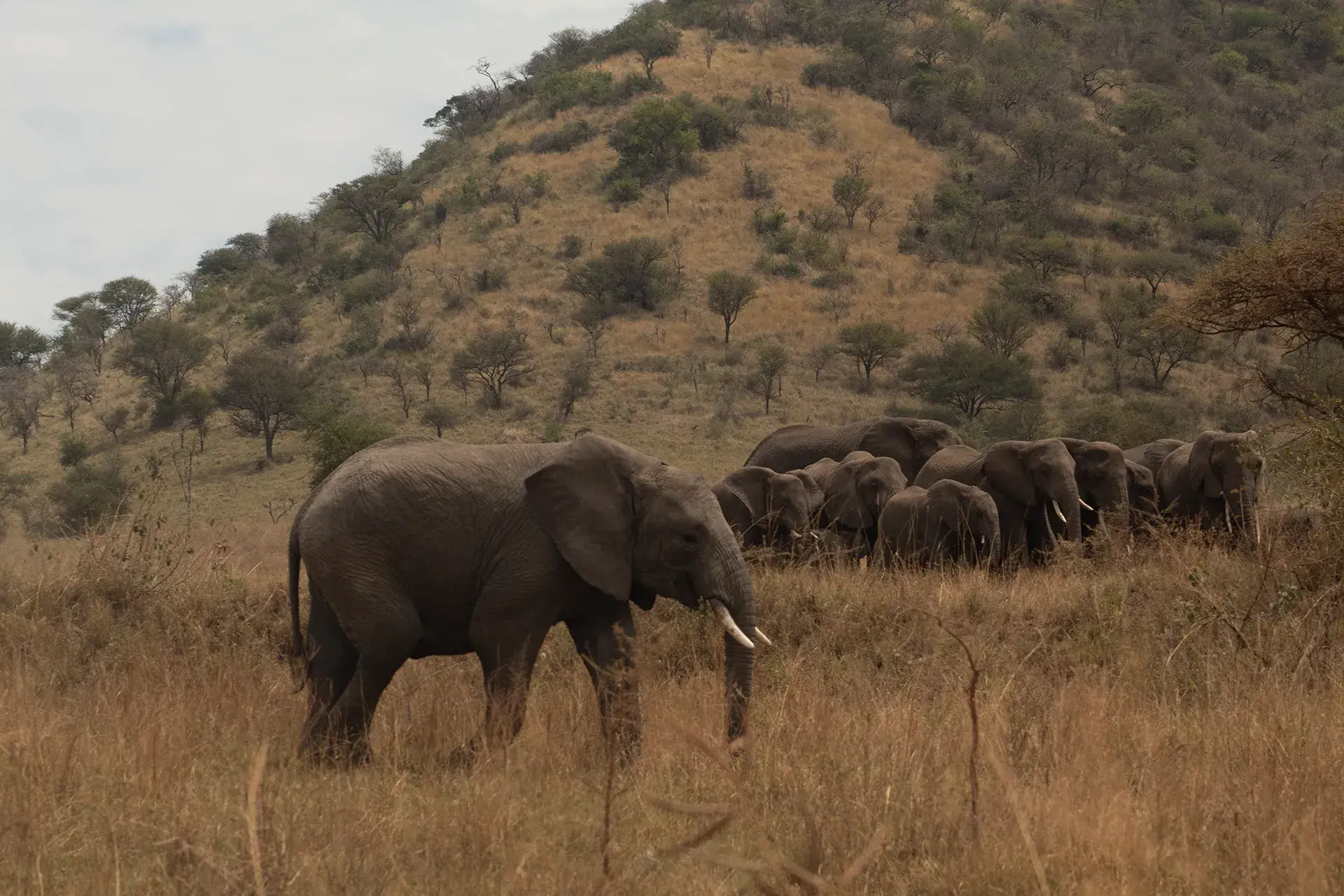
Tarangire elephants in dry-season river country

06

Zanzibar beach conditions matched to coast and wind

Best Time for a Tanzania Honeymoon - romantic Tanzania honeymoon scene
Signature mood
Best Time for a Tanzania Honeymoon - couple travel inspiration
Luxury detail
Best Time for a Tanzania Honeymoon - couple travel inspiration
Beach and safari pairing

What is the safest all-round honeymoon season?

June to October is the classic choice for safari visibility and generally strong beach conditions.
Is green season romantic?

Yes, for couples who like privacy, lush scenery, and value, provided routing is planned carefully.

Does Zanzibar have bad months?

Conditions vary by coast, wind, and rain patterns, so beach choice matters as much as month.

Premium Honeymoon Planning

Everything You Need to Know to Choose the Right Season

Why This Question Matters More Than Most

The timing of a Tanzania honeymoon is one of the most consequential planning decisions a couple makes - not because there is a wrong answer, but because the season shapes everything else: which parks you can visit, which camps are open, what you see on game drives, what the ocean looks like, what the light does at dusk. A honeymoon planned for July but informed only by generic "best month" lists may land in the right season but the wrong zone. A honeymoon planned for January by a couple who thought it was the off-season may find themselves witnessing one of Africa's most extraordinary wildlife spectacles. The details matter, and generic advice gets the details wrong.

The Serengeti Is Not One Place

One of the most common misunderstandings in Tanzania safari planning is treating the Serengeti as a single destination. It is a 14,750 square kilometre ecosystem with dramatically different character in its northern, central, western, and southern zones - and the migration moves through each of these zones at different times of year. Booking a central Serengeti camp expecting to see the Mara River crossings in July is like arriving at the wrong theatre for the right play. The experience is still extraordinary - the Seronera Valley is exceptional year-round - but the specific spectacle you came for is happening an hour to the north. Understanding the geography of the migration is central to planning well.

The Honest Case for the Green Season

The travel industry often presents the green season as a compromise - a consolation choice for couples who cannot travel in the dry season. We disagree. The green season in Tanzania, particularly November through February, is a genuinely different and in some ways richer experience than the dry months. The visual quality of the landscape - vivid green against dramatic skies, golden evening light that has a warmth and complexity the dry season cannot match - is something professional photographers actively seek out. The privacy of near-empty camps is something luxury rates cannot replicate in July. And the calving season in January and February is, for many couples, the most emotionally resonant wildlife experience the ecosystem offers.

Zanzibar and the Safari - Getting the Sequence Right

Most Tanzania honeymoon itineraries combine the mainland safari with a Zanzibar beach stay, and the sequence matters. The conventional advice - safari first, beach second - is correct for most couples: the safari requires early mornings, game drive energy, and attention; the beach is where you decompress and restore. Arriving at Zanzibar after the safari allows the island to do what it does best - slow you down, warm you up, and give you the space to absorb everything the safari gave you. The reverse sequence can work for couples with specific reasons for it, but it puts the most active chapter last, which can feel draining rather than celebratory.

Budget, Season, and Where to Invest

Tanzania honeymoon budgets are shaped by four main variables: the season, the accommodation tier, the number of domestic flights, and the add-on experiences. Peak-season rates at the finest Serengeti camps are among the highest in the safari world, and for good reason - the experience justifies them. But couples who travel in the shoulder or green season can often access the same properties at dramatically reduced rates, and the wildlife quality, while different from the dry season, remains genuinely extraordinary. Our approach is to help couples identify where in the itinerary the investment matters most - usually the two or three nights in the most wildlife-rich locations - and find appropriate value elsewhere. The right camp on the right night changes a honeymoon; the wrong camp on the right night is simply an expensive bed.

How We Stay Current - Real-Time Local Knowledge

Published migration calendars and general season guides - including this one - are based on typical patterns. Tanzania's weather and wildlife are not perfectly predictable. In some years the Mara River crossings peak in late June; in others, they may not happen consistently until August. In some years the short rains in November are barely noticeable; in others, they bring a week of sustained cloud. We stay in continuous contact with our on-ground partners - camp managers, guides, and local operators - throughout the year. When you ask us about a specific month, we give you current, real conditions alongside the historical pattern, and we adjust itinerary recommendations accordingly. That local intelligence is the difference between planning by calendar and planning with genuine knowledge.

"
Begin Your Journey

Your love story deserves
a journey as beautiful as your dreams.

Every extraordinary honeymoon begins with one conversation. Reach out today and let us start planning yours - with no pressure and no obligation. A real person responds within 4 hours.